I am an Associate Professor at McGill University, where I research and teach about theatre and performance studies in the Americas. In particular, I am interested in critical and comparative studies of race, transnationalism, and social movements in the postwar and cold war periods. Lately I have become fascinated by the intersections of political theory and performance theory, as well as between performance and historiography.
For a partial list of my publications, please visit the “Research” tab of this website.
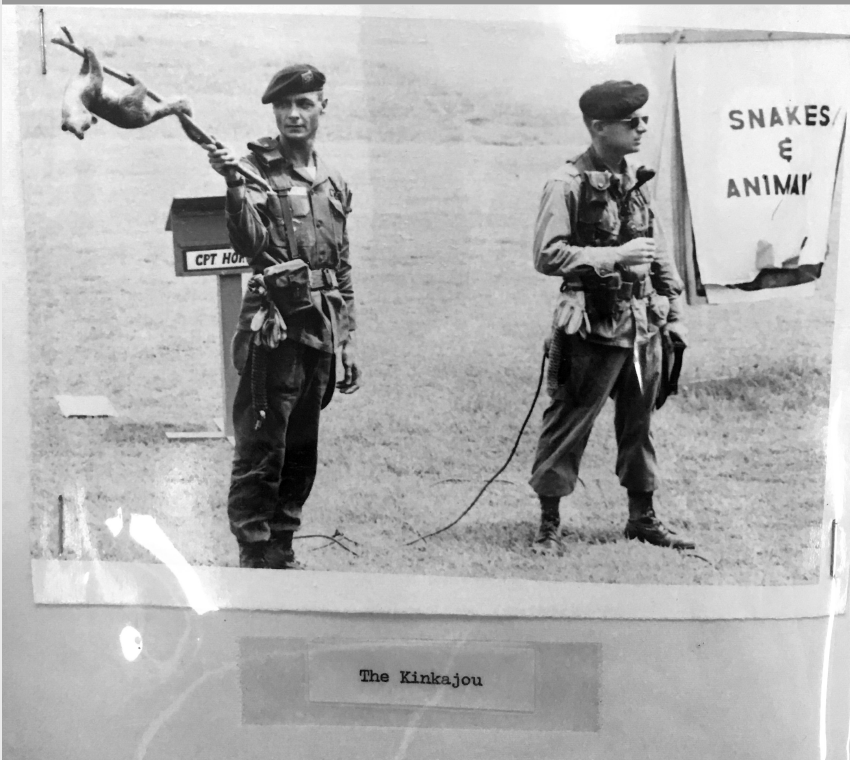
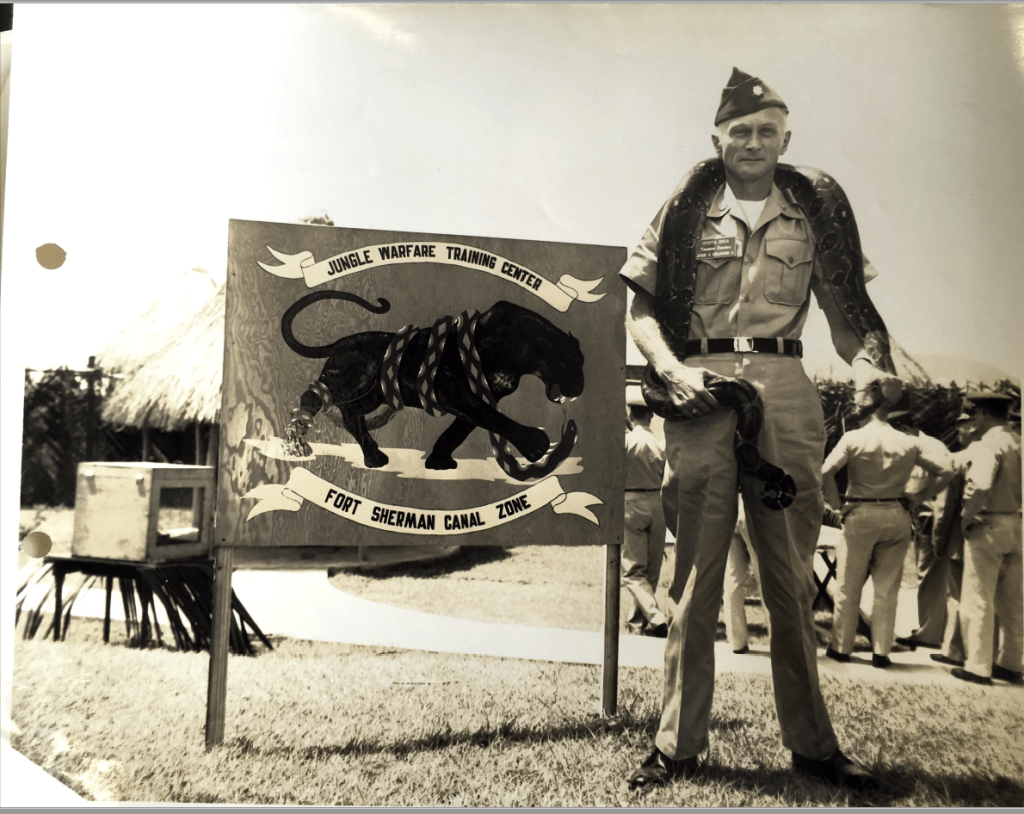
I am currently at work on a book-length monograph exploring the performance methodologies and theories of counterinsurgency training and doctrine among US and Latin American militaries in the former Panama Canal Zone, from the 1960s to the 1990s.
This monograph, provisionally titled “Theatre of War: Performance and Counterinsurgency in Latin America’s Cold War,” makes an intervention in scholarship on counterinsurgency from the 1960s to the 1990s, as it discusses the central role of performance practices – such as simulation (in field exercises and joint combat operations), scripting (in field manuals), rehearsal, and improvisation in forms of training in the Western Hemisphere. Moreover, the project excavates unspoken assumptions about theatricality and “deceit” in fighting subversive insurgencies said to be aligned with Sino-Soviet and Cuban communist powers.
The project takes up the part of the Panama Canal Zone unexamined in my first book: the fifteen military installations that composed US Southern Command, a US military joint command (Army, Navy, Air Force) that trained Latin American militaries in counterinsurgency warfare for five decades, laying fundamental groundwork for the extreme regional violence and militarization of Latin America’s cold war. I examine ideological, psychological, political, and social practices of training, as Latin America constituted an important site for the creation and dissemination of these forms of counterinsurgency and for the US military’s experimentation with novel concepts and methods that would show up in Vietnam, Iraq, Afghanistan, and other sites around the world, as US-style counterinsurgency became a prevalent form of combat circulating throughout the Global South. At the same time, the book contends with the fundamental dilemmas of counterinsurgency: the fact that this form of war is called ‘irregular,’ meaning that it does not follow war conventions, and so poses special challenges for training. Irregular warfare requires a higher degree of improvisation than does conventional warfare. The main goal of counterinsurgency is said to be human, or political: to convert a target population away from guerrilla groups. Therefore, questions of audience participation become fundamental for both revolutionary leftwing movements and counterinsurgent reactions. The figure of the guerrilla, who is said to use deception to blur the lines between the roles of civilian and soldier, is also central, as the guerrilla (especially during the 1960s) was figured as a shape-shifting, slippery ‘Master of Deceit,’ in the terms of FBI Director J. Edgar Hoover.
How to teach this nebulous and ‘irregular’ form of warfare? By scripting, simulating, rehearsing, and improvising, the US military transferred pedagogies and ideologies in an ‘uneven and unequal’ (Child) inter-American military system. By examining performance components of counterinsurgency training and its legacies, we can reveal ongoing challenges and aporias around the ideas of democracy, militarism, policing, the state, terrorism, ideology, and difference that continue to percolate in the Western Hemisphere.
This monograph will be accompanied by a bilingual, open-access interactive website chronicling the multifaceted history of the roughly 15 US military bases that occupied the Panama Canal Zone from the early twentieth century to 1999. These military bases have never been fully investigated, and they reveal important nuances of the intersecting histories of US militarization, the global cold war, and Latin America’s twentieth-century history. As staging areas for counterinsurgency, they hosted the incubation of ideas that traveled among varied sites in the decolonizing/cold war world: from Vietnam to Argentina to Honduras to Puerto Rico to Hawai’i and back.
Thanks for being here!
 Katherine A. Zien